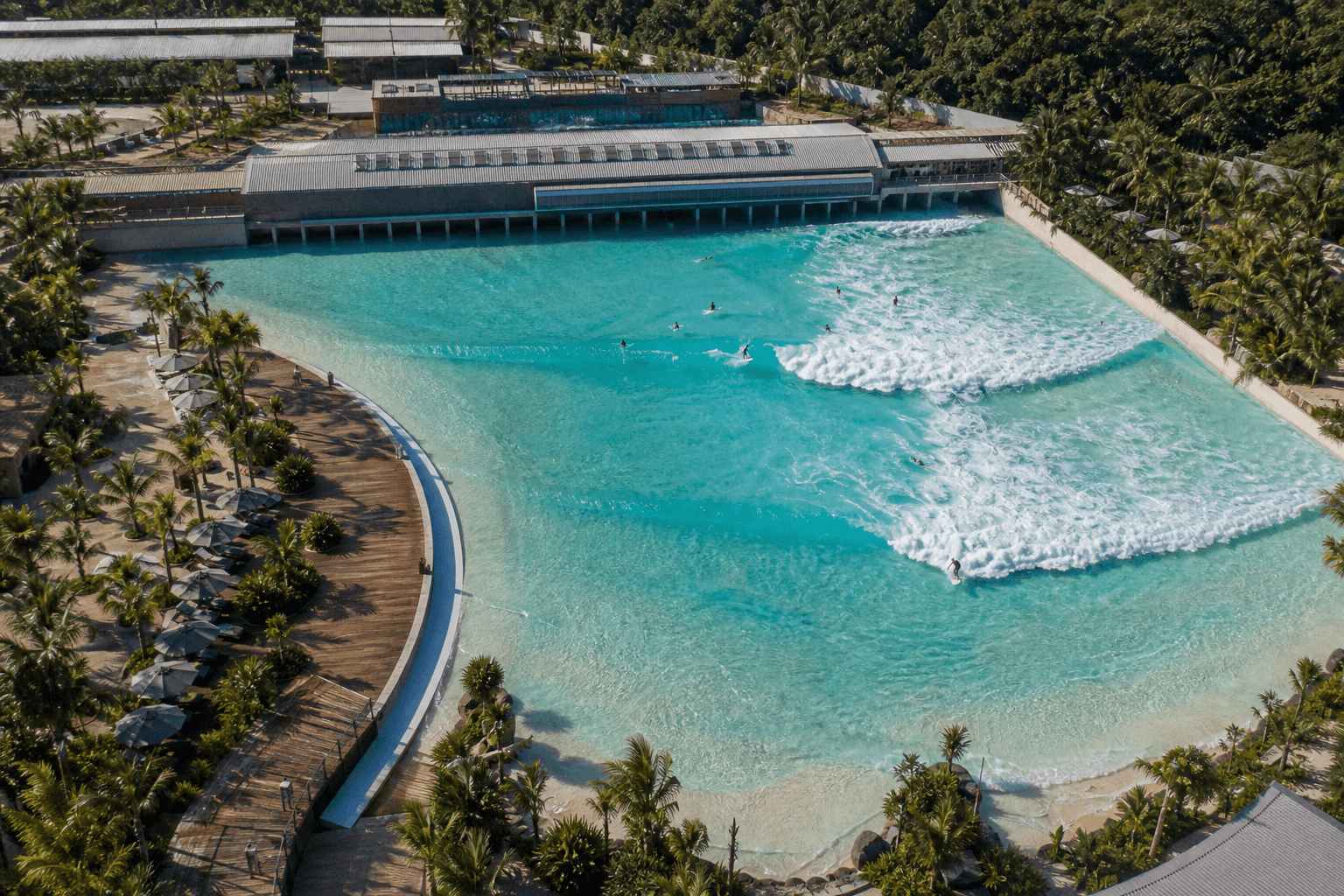
The GuardOperational System.
An operational safety system for aquatic environments — so rotations stay on time and every position stays covered.
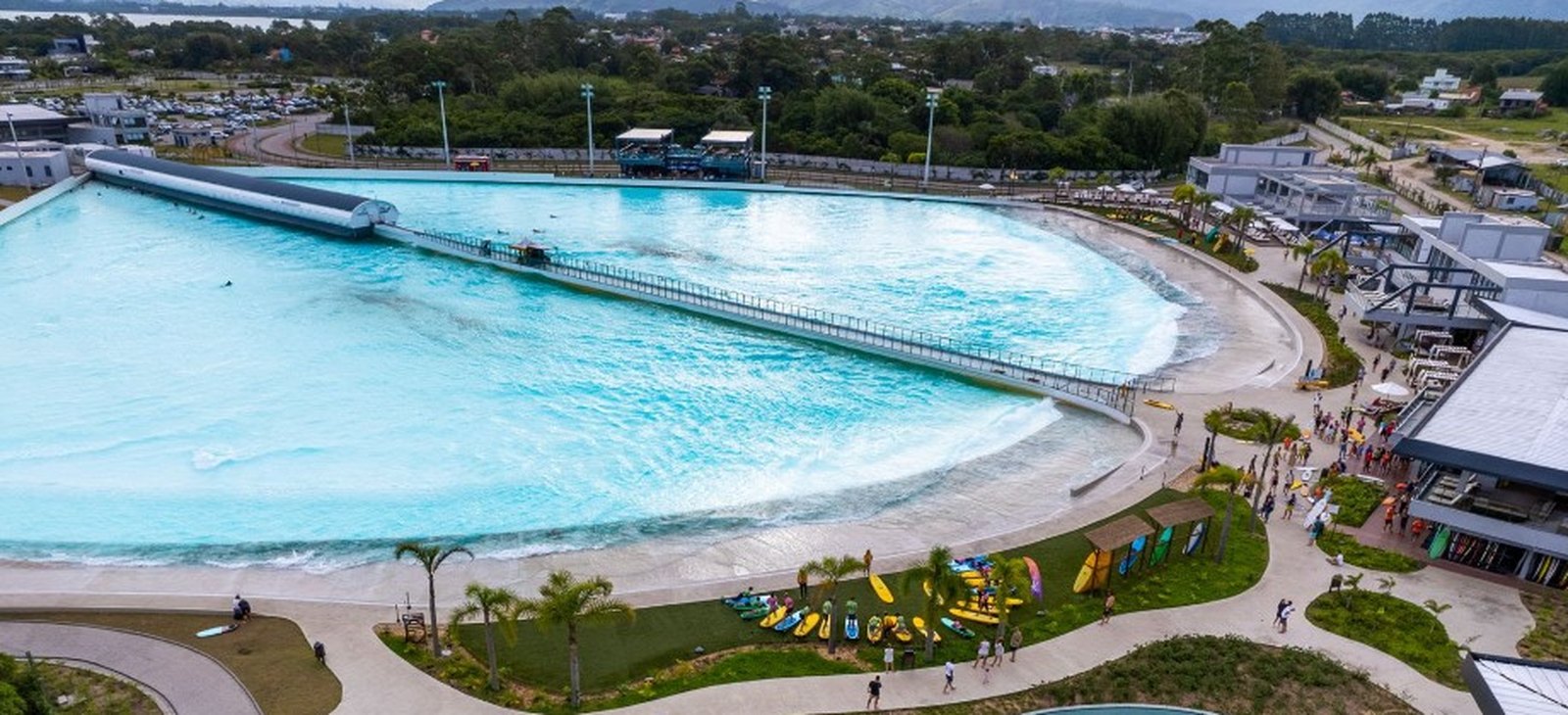
Already running at Surfland Brasil.
“It has made my day-to-day work much easier and gives me greater confidence when coordinating the team.”
What the supervisor sees.
GUARDOS
Current session
10:30–12:00
Team A
Posts covered
8/8
Active lifeguards
24
Coverage
100%
Fatigue overview
| Lifeguard | Total time | Status |
|---|---|---|
| 3h15 | OK | |
| 2h25 | WATCH | |
| 3h50 | HIGH | |
| 3h35 | OK | |
| 2h10 | OK |
Session breaks
- Break — 15 min
- Lunch — 30 min
Sessions of the day
Posts
- CT — Control Tower
- PIER — Pier
- 01–07 — Edge positions
- LOBBY — Lobby
Status
Teal — OKAmber — Watch or highThe real threat isn’t always in the water.It’s fatigue.
A 30-minute rotation can become 50 when operations get busy. GuardOS intervenes before fatigue becomes risk.
01
30 min
Planned
02
Rotation delayed
03
+20 min
50 min
On station
04
Fatigue increases
05
Response time drops
What GuardOS controls
Fight fatigue
Keep observation and recovery time under control.
Keep it fair
Distribute workload transparently.
Know what happened
See who was where, when and for how long.
Fatigue · Fairness · Traceability
Keep the rotation moving.
Team in. Posts, breaks, and lunch out. The supervisor publishes.
01
Available team
Lifeguards, leads, shift time.
02
Generate
Posts assigned automatically.
03
Balance
Breaks and lunch already set.
04
Publish
Review and put the shift live.
Time on station.
Exposure by post
LG 01
LG 03
LG 06
LG 04
LG 02
Attention threshold · 3h00
Fatigue control
Lifeguards post history and rotation.
#1
LG1
P1: 12 · P2: 8 · P3: 10 · P4: 4
HIGHPrioritize next rotation
1LG1
12
8
10
4
HIGHPrioritize next rotation
#4
LG4
P1: 10 · P2: 6 · P3: 8 · P4: 2
HIGHPrioritize next rotation
4LG4
10
6
8
2
HIGHPrioritize next rotation
#8
LG8
P1: 9 · P2: 7 · P3: 5 · P4: 3
HIGHPrioritize next rotation
8LG8
9
7
5
3
HIGHPrioritize next rotation
#2
LG2
P1: 15 · P2: 14 · P3: 12 · P4: 6
NORMAL2LG2
15
14
12
6
NORMAL#3
LG3
P1: 16 · P2: 15 · P3: 14 · P4: 8
NORMAL3LG3
16
15
14
8
NORMAL#5
LG5
P1: 14 · P2: 12 · P3: 10 · P4: 6
NORMAL5LG5
14
12
10
6
NORMAL#6
LG6
P1: 11 · P2: 9 · P3: 7 · P4: 5
NORMAL6LG6
11
9
7
5
NORMAL#7
LG7
P1: 13 · P2: 11 · P3: 9 · P4: 7
NORMAL7LG7
13
11
9
7
NORMAL
Already running at Surfland Brasil.
Before GuardOS, managing rotations and keeping track of the team required a lot of manual work. Now I can see the operation, assign posts and monitor each lifeguard’s workload in one place. It has made my day-to-day work much easier and gives me greater confidence when coordinating the team.
The record around the shift.
Who was where, when, and for how long — around the turn, not competing with it.
Rosters & Multi-teams
Weekly calendar, organized by team and operating unit.
Operational reports
Look up and export position history, plus rotation, fatigue, and fairness.
Supervision panel
Dedicated login, with read vs. edit modes by role.
Freelancers
A bench of on-call professionals for demand peaks.
Team / Roster
A central register of every lifeguard and lead.
Inventory control
Safety and rescue equipment by unit.
What’s next
- Mobile app for lifeguards
- Real-time fatigue alerts
- Payroll and HR integrations
- Other aquatic-safety operations
Tell us about your operation.
We map your posts, rotations and coverage — then prepare a proposal for your operation.
Or write to info@theguardos.com